Kotonjata: A Guide to Croatia's Traditional Quince Cheese
Discover kotonjata, the dense, jewel-like quince paste that has been a beloved treat in Dalmatia for centuries, and learn how to enjoy it like a local.
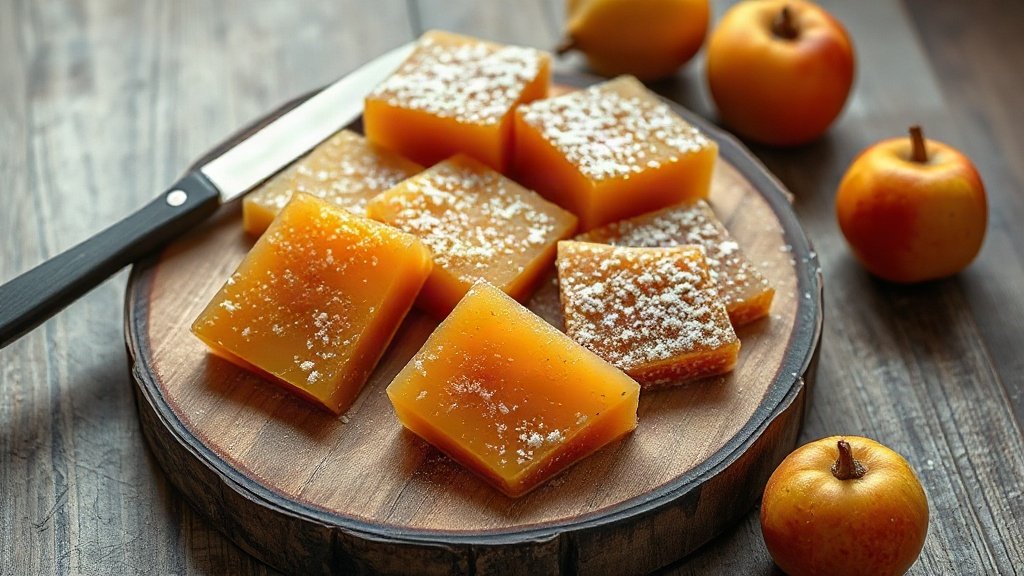
Illustration: AI-generated image
Walk through any Dalmatian green market in autumn and you will spot slabs of deep amber, often cut into diamonds and dusted with sugar. This is kotonjata – Croatia's answer to quince cheese, a dense, intensely fruity sweet that has been made in the Mediterranean for centuries.
What exactly is kotonjata?
Kotonjata is a thick fruit paste made from quince, sugar and a little lemon juice. The quince is cooked slowly until the natural pectin turns the mixture into a firm, sliceable jelly. Once set and dried, it can be cut into shapes and stored for months. The result is a smooth, fragrant confection with a delicate balance of tartness and sweetness.
It is closely related to Spanish membrillo and Italian cotognata, and indeed the name comes from cotogna, the Italian word for quince. In Croatia, the Dalmatian coast and islands are particularly known for their kotonjata, though it is made in many parts of the country.
A tradition rooted in the harvest
Quince trees are a familiar sight in Dalmatian gardens, and the fruit ripens from late September into November. Because fresh quinces are rarely eaten raw due to their astringency, preserving them as kotonjata was a practical way to use the abundant harvest. The high sugar content and natural pectin meant the paste could be kept well into winter, providing a sweet treat when fresh fruit was scarce.
In many families, making kotonjata was a communal autumn activity, with large copper pots bubbling over wood fires. Recipes were passed down through generations, and while modern cooks often use a simpler stovetop method, the essence remains the same.
How it is made
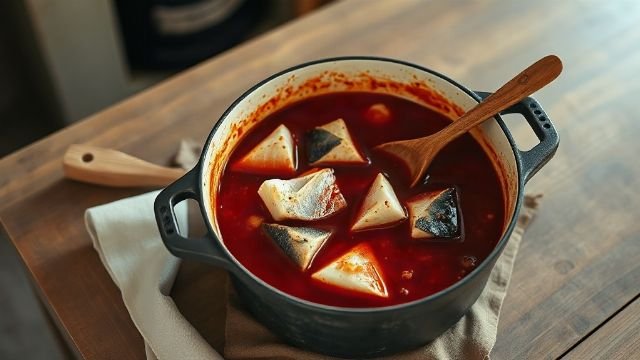
Traditional kotonjata starts with washing, peeling and coring quinces, then simmering them in water until soft. The cooked fruit is pureed or passed through a sieve, weighed, and combined with an equal amount of sugar. Some add a splash of lemon juice to brighten the flavour and help with setting.
The mixture is then cooked over low heat, stirred constantly, until it thickens and pulls away from the sides of the pot. This can take an hour or more. The hot paste is poured into shallow moulds or trays, levelled, and left to dry in a cool, airy place for several days. Once firm, it is cut into diamonds, squares or other shapes, sometimes rolled in sugar, and stored in airtight containers.
How to enjoy kotonjata
Kotonjata is wonderfully versatile. The simplest way is to serve thin slices alongside a cheese board – it pairs beautifully with sharp sheep's milk cheeses like Pag cheese or aged cow's milk varieties. The sweet-tart fruit cuts through the richness of the cheese.
It also appears as a dessert on its own, often accompanied by a small glass of prošek or rakija. Some people enjoy it with roasted meats, using a small spoonful as a condiment, much like a chutney. And for a quick sweet bite, a cube of kotonjata with a walnut half pressed on top is a classic combination.
Where to find it
In Dalmatia, look for kotonjata at local green markets, especially in autumn, and in small family-run delis and souvenir food shops. Homemade versions often appear at village fairs and food festivals celebrating local produce. Many Croatian households still make their own, so if you are invited to someone's home in quince season, you may be lucky enough to try a batch straight from the family kitchen.
Whether you buy it as a gift to take home or enjoy it on the spot with cheese and a glass of wine, kotonjata is a taste of Croatia's Mediterranean heritage that is easy to love.