Peka: A Guide to Croatia's Traditional Bell-Oven Cooking
Discover the ancient technique of cooking under a peka, a bell-shaped lid covered with hot coals, and why it produces some of Croatia's most tender and flavourful dishes.
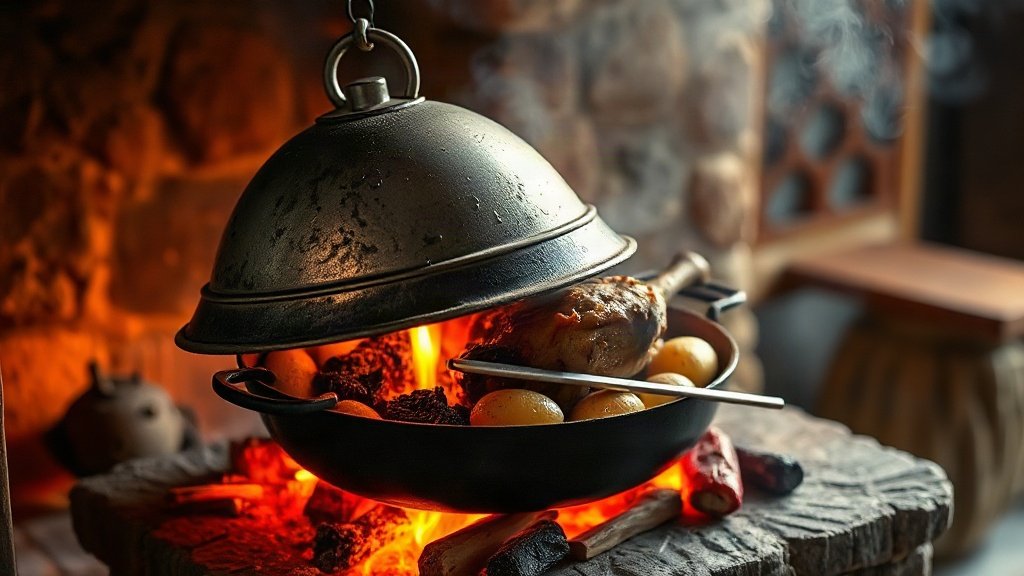
Illustration: AI-generated image
What is Peka?
Peka is a traditional Croatian method of slow-cooking food under a bell-shaped lid, typically made of cast iron or clay. The lid, also called a "peka," is placed over a shallow pan containing meat, fish, or vegetables, then covered with hot coals and ashes. The food cooks gently from the radiant heat above and the fire below, resulting in exceptionally tender and juicy dishes.
The name "peka" comes from the word "peći," meaning "to bake" or "to roast." This ancient technique has been used for centuries across Dalmatia, Istria, and the Croatian islands, where it remains a beloved way to prepare special meals for family gatherings and celebrations.
How Peka Works
The peka method is essentially a portable oven. A metal or clay bell is placed over a pan of ingredients, and the entire setup is nestled into a bed of hot embers. More embers are piled on top of the bell, creating an even, all-round heat. The closed environment traps steam and smoke, braising the contents slowly.
Traditional peka cooking takes several hours, often up to two to three hours, depending on the ingredients. The slow process allows flavours to meld, and the meat becomes fall-off-the-bone tender. The bell is usually not lifted until the meal is ready, ensuring no moisture escapes.
What Can You Cook in a Peka?
The most iconic peka dish is lamb or veal, often combined with potatoes, carrots, onions, and herbs like rosemary and garlic. The meat is seasoned simply with olive oil, salt, and pepper, and the vegetables roast in the rendered juices.
Seafood peka is equally popular along the coast, featuring octopus, fish, or shellfish with potatoes and white wine. Vegetarian versions might include seasonal vegetables, mushrooms, or even bread. Each region has its own variations, but the core principle remains the same: slow-cooked, smoky, and deeply flavourful.
A Tradition Worth Seeking Out
Peka is not an everyday meal due to the time and effort required. It is typically reserved for Sundays, holidays, and special occasions when family and friends gather. Many rural households and konobas (traditional taverns) have dedicated outdoor fireplaces for peka cooking.
When travelling in Croatia, trying a peka dish is a must. While it is possible to find peka in restaurants, the most authentic experience is often in agritourism settings or private homes where the tradition has been passed down for generations. The sight of a peka being uncovered at the table is a memorable part of the meal.
Whether you try lamb peka in the Dalmatian hinterland or a seafood peka on an island, this ancient cooking method offers a taste of Croatia's culinary heritage that is as much about tradition as it is about flavour.