Rakija: A Guide to Croatia's Traditional Fruit Brandy
From plum to herb-infused varieties, rakija is more than just a drink in Croatia – it's a ritual of hospitality and tradition. Here's what to know about the beloved spirit.
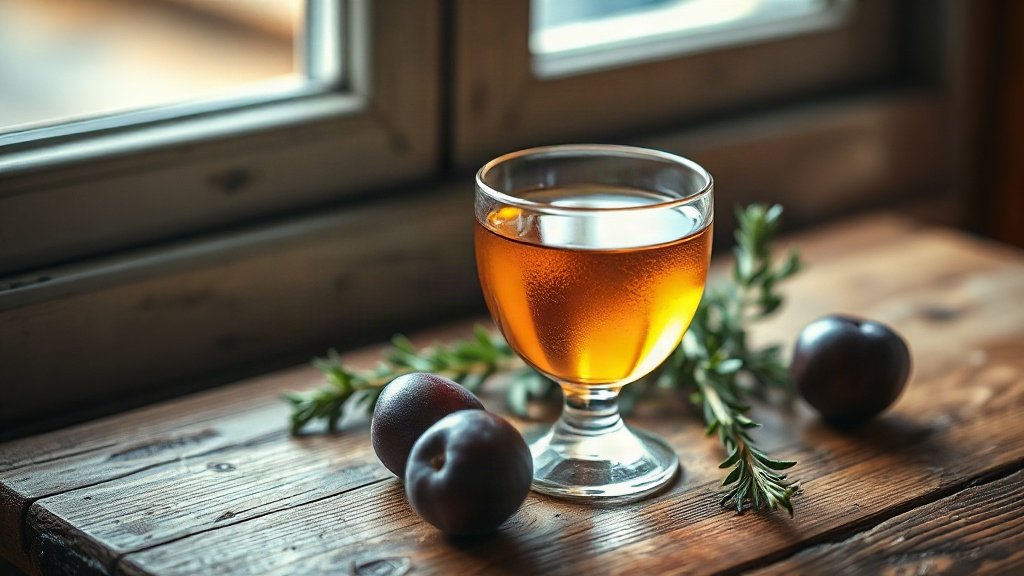
Illustration: AI-generated image
If you spend any time in Croatia, sooner or later a small glass of clear, potent liquid will be placed in front of you. That is rakija, the country's national spirit and a cornerstone of social life. Made from fermented fruit and distilled at home or in small distilleries, rakija ranges from fiery plum brandy to delicate herbal infusions. Understanding rakija is understanding Croatia – it is served at births, weddings, funerals and every ordinary gathering in between.
What exactly is rakija?
Rakija is a fruit brandy, typically between 40% and 50% alcohol by volume, though homemade versions can be stronger. The base is fermented fruit – most commonly plums, grapes, pears, apricots, quince or apples – which is then distilled in copper stills. Unlike some spirits, rakija is not aged in oak for years; it is usually clear and fiery, though some varieties are aged to mellow the flavour.
Types of rakija you'll encounter
The most famous is šljivovica, made from plums and associated with Slavonia. Lozovača or loza comes from grapes, often as a by-product of winemaking. Viljamovka is pear brandy, sometimes with a whole pear inside the bottle. Travarica is herb-infused rakija, often made with Mediterranean herbs like sage, rosemary or fennel. Orahovica is green walnut liqueur, sweet and dark. Regional specialities include medica, made with honey, and bisque, made with mistletoe.
How rakija is made
The process begins with ripe fruit, which is crushed and left to ferment naturally for several weeks. The fermented mash is then heated in a still; the alcohol vaporises and condenses back into liquid. Many households in rural Croatia have their own small stills, and distilling rakija is a proud tradition passed down through generations. The first distillate, called prvenac, is the strongest; the heart of the run is kept, while the tails are discarded or redistilled.
How to drink rakija like a local
Rakija is almost always served in small, tulip-shaped glasses of about 0.3 to 0.5 decilitres. It is meant to be sipped, not thrown back as a shot, though toasting with a hearty Živjeli! is expected. It is commonly offered as an aperitif before a meal, or as a digestif after. A small glass may accompany a morning coffee or a slice of cheese and cured meat. Never refuse a glass when offered – it is a sign of welcome and respect.
Where to find good rakija
Many restaurants and konobas serve house rakija, often made by the owner or a relative. Markets and specialty shops sell bottled rakija from small producers, labelled with the fruit type and alcohol content. For a truly authentic experience, visit a rural household or agritourism farm during autumn, when distillation is in full swing and the smell of ripe fruit fills the air.
A word of caution
Rakija is strong, and homemade versions can vary wildly in alcohol content. Sip slowly, especially if you are unaccustomed to spirits. It is also worth noting that rakija is deeply embedded in Croatian hospitality – refusing a second glass requires tact. A simple Hvala, dosta je (thank you, that's enough) is usually accepted with a smile.