Rožata: A Guide to Dubrovnik's Caramel Custard
Dubrovnik's rožata is a silky, caramel-topped custard with a delicate hint of rose liqueur, a beloved dessert that has graced Dalmatian tables for centuries.
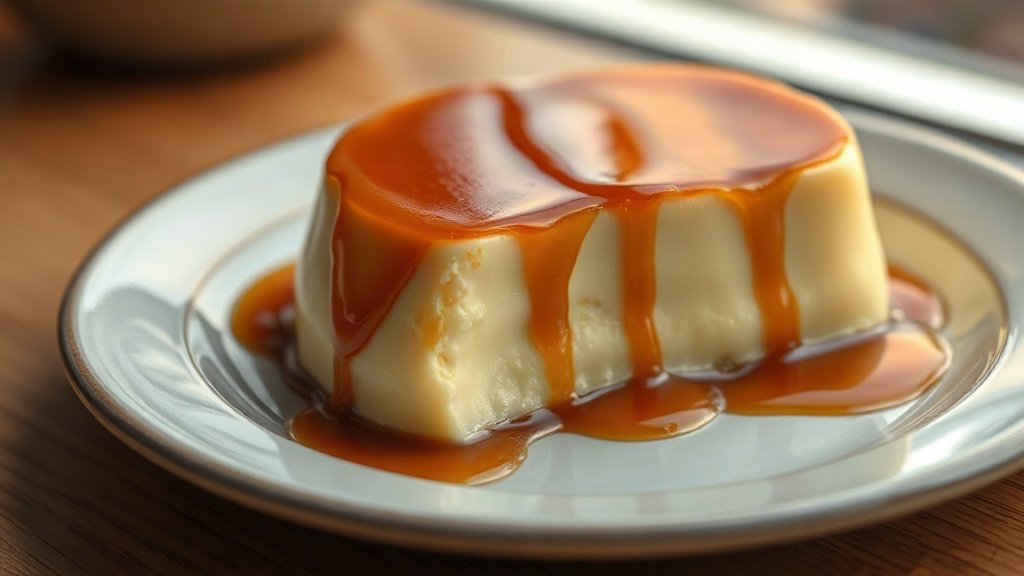
Illustration: AI-generated image
If you've ever wandered the marble streets of Dubrovnik's Old Town after a meal, you may have been offered a slice of something golden and wobbly, topped with a slick of dark caramel. That, most likely, was rožata—a dessert as much a part of the city's heritage as its ancient walls.
Rožata (sometimes spelled rozata) is Dubrovnik's answer to crème caramel or flan, but with a distinctly local twist: the custard is scented with rose liqueur, giving it a subtle floral note that sets it apart from its cousins around the Mediterranean. It is ubiquitous in the region's konobas and restaurants, yet rarely found outside Croatia, making it a must-try for any visitor with a sweet tooth.
What is Rožata?
At its heart, rožata is a baked egg custard. Eggs, milk, and sugar are whisked together, often with a splash of rose liqueur (such as the local rozulin), then baked in a caramel-lined mould. Once turned out, the result is a trembling, pale-gold dome with a pool of amber caramel and a faint perfume of roses. The texture is softer than a classic French crème caramel—more spoonable than sliceable—and the flavour is delicate, not overly sweet.
A Sweet History
Rožata is deeply tied to Dubrovnik's aristocratic past. For centuries, the Republic of Ragusa (as Dubrovnik was known) was a wealthy maritime state with strong connections to Venice, and many culinary influences travelled along those trade routes. The name itself is thought to derive from the Italian rosata, meaning "rosy" or "made with roses," a nod to the liqueur that flavours it. Recipes for similar rose-scented custards appear in Renaissance cookbooks, and rožata has been a fixture at weddings, feasts, and family gatherings ever since.
How It's Made
Traditional rožata is surprisingly simple, but it requires care. Whole eggs are beaten with sugar until pale, then warm milk is slowly incorporated. Rose liqueur is added—just enough to perfume, not overpower—and sometimes a little grated lemon zest. The mixture is poured into a caramel-coated mould and baked in a water bath until just set. The key is gentle heat; too much and the custard will curdle, too little and it won't hold its shape. Once cooled, it is chilled and unmoulded before serving, often with a few drops of extra liqueur drizzled on top.
Variations and Serving
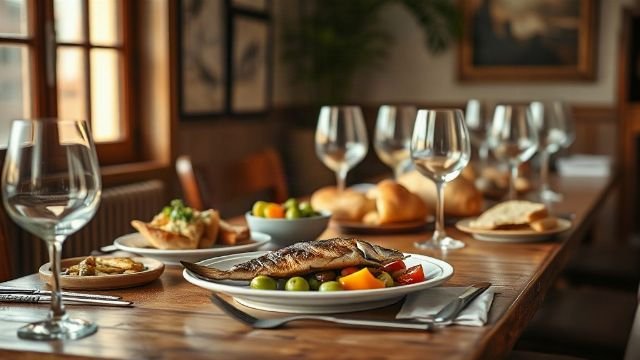
While the core recipe is consistent across Dubrovnik and the surrounding region, some cooks add vanilla or omit the rose liqueur entirely for a more neutral flavour. Others play with the caramel, adding a splash of liqueur to deepen the taste. Rožata is always served cold, often as a finale to a hearty Dalmatian meal of grilled fish, peka, or pašticada. It pairs beautifully with a small glass of prošek, Croatia's sweet dessert wine.
Where to Try It
In Dubrovnik, rožata is everywhere—from humble konobas tucked into side alleys to upscale restaurants with sea views. It is also common in nearby towns along the Dalmatian coast, such as Cavtat and Ston. For an authentic experience, look for it on the menu as rožata dubrovačka, and don't hesitate to ask if it is made in-house; the best versions are often the ones that have been prepared that morning by a family member.
Make It at Home
If you'd like to recreate rožata at home, the process is straightforward. You'll need 6 eggs, 500 ml of milk, 150 g of sugar, 2 tablespoons of rose liqueur (or rose water, if liqueur is unavailable), and a little extra sugar for the caramel. Start by making a dry caramel in a small saucepan, pour it into a 1-litre mould, and swirl to coat. Then whisk the eggs and sugar until smooth, warm the milk (do not boil), and combine. Stir in the liqueur, pour into the mould, and bake in a water bath at 160°C for about 45–50 minutes, or until the centre is just set. Cool, chill for several hours, and turn out onto a plate. The result: a taste of Dubrovnik's golden age, right in your own kitchen.